
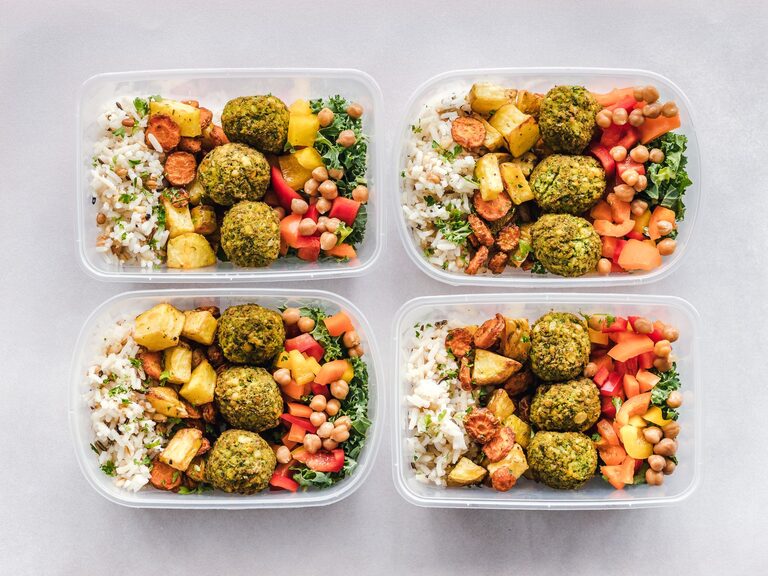
Busy weeks can make cooking feel like one more task on an already full schedule. Meal prep helps by moving some of the work to a quieter time, so weekday meals come together faster. You do not need to cook every meal in advance or spend an entire Sunday in the kitchen. A few simple preparations can make a big difference.
The key is to choose flexible ingredients, prepare foods you enjoy, and keep your plan realistic. Start small, then adjust your routine as you learn what works best for you.
Start With a Simple Meal Plan
Before shopping or cooking, take 10 minutes to outline your week. Look at your schedule and note which days will require quick meals, packed lunches, or leftovers.
A simple meal plan might include:
– Two make-ahead dinners
– One meal made from leftovers
– Two quick meals using prepared ingredients
– Easy breakfast and snack options
– One flexible meal for a busy or unpredictable day
You do not need a different recipe for every day. Repeating meals can save time, reduce food waste, and make grocery shopping easier. Choose recipes that share ingredients, such as roasted vegetables used in bowls, wraps, and pasta dishes.
Build Meals From Prepared Components
Instead of preparing complete meals, cook a few basic components that can be mixed and matched. This approach gives you variety without requiring several separate recipes.
Useful components include:
– Cooked grains such as rice, quinoa, or couscous
– Roasted or steamed vegetables
– Cooked chicken, beans, eggs, or tofu
– Washed salad greens
– Chopped onions, peppers, or carrots
– A simple sauce, dressing, or dip
– Fresh herbs, shredded cheese, or nuts for toppings
For example, cooked rice can become a grain bowl, a stir-fry, or a filling for a burrito. Roasted vegetables can be served as a side dish, added to pasta, or folded into an omelet. Keeping the flavors fairly neutral makes the ingredients easier to reuse.
Easy Breakfasts to Prepare Ahead
A ready-to-go breakfast can make busy mornings much easier. Focus on meals that store well and require little or no cooking during the week.
Overnight Oats
Combine oats, milk or a milk alternative, and your favorite toppings in small containers. Try adding berries, sliced bananas, cinnamon, peanut butter, or chopped nuts. Refrigerate the containers overnight and enjoy them cold or warmed.
Prepare three or four jars at once, but add crunchy toppings just before eating so they keep their texture.
Egg Muffins
Whisk eggs with chopped vegetables, cheese, and cooked meat or beans if desired. Pour the mixture into a greased muffin pan and bake until set. Store the muffins in the refrigerator and reheat them for a quick breakfast.
Breakfast Burritos
Fill tortillas with scrambled eggs, beans, cheese, and cooked vegetables. Wrap each burrito in foil or parchment paper and refrigerate or freeze them. Reheat in the microwave or oven when needed.
Packable Lunch Ideas
Lunches are easier to prepare when you use a few dependable combinations. Keep dressings and wet ingredients separate when possible to prevent soggy foods.
Grain Bowls
Layer cooked grains with vegetables, protein, and a sauce. Try combinations such as:
– Rice, roasted broccoli, chicken, and a yogurt herb sauce
– Quinoa, chickpeas, cucumbers, tomatoes, and lemon dressing
– Couscous, roasted carrots, tofu, and a mild peanut sauce
Pack the sauce in a small container and add it just before eating.
Mason Jar Salads
Place dressing at the bottom of a jar, followed by sturdy vegetables, grains or beans, protein, and greens at the top. When ready to eat, shake the jar and pour the salad into a bowl.
Wraps and Sandwiches
Prepare fillings such as sliced chicken, tuna salad, hummus, cheese, or roasted vegetables. For best results, keep moist ingredients away from the bread and assemble wraps the night before or in the morning.
Make-Ahead Dinners
Choose dinners that reheat well and can be portioned into containers. Soups, stews, casseroles, curries, pasta sauces, and roasted meals are often good options.
Sheet Pan Meals
Place a protein, vegetables, and seasonings on one sheet pan. Roast everything together, then divide the meal into containers. Try chicken with potatoes and green beans, or tofu with peppers, onions, and broccoli.
Using parchment paper can make cleanup faster. Cut ingredients into similar sizes so they cook evenly.
One-Pot Pasta
Cook pasta with sauce ingredients in one pot for a convenient dinner. Add vegetables, beans, or cooked meat for extra variety. Store portions in individual containers, and add a splash of water when reheating if the pasta seems dry.
Slow Cooker Meals
A slow cooker can handle much of the cooking while you focus on other tasks. Prepare ingredients in advance, refrigerate them in a covered container, and transfer them to the cooker when needed. Soups, bean dishes, shredded chicken, and vegetable stews are easy choices.
Smart Storage Tips
Proper storage helps prepared food stay appealing throughout the week.
– Let hot food cool briefly before sealing containers.
– Use shallow containers so food cools more evenly.
– Label containers with the meal name and preparation date.
– Keep sauces, toppings, and crunchy ingredients separate.
– Store individual portions for easy grab-and-go meals.
– Freeze meals that will not be eaten within a few days.
– Keep a visible list of prepared foods on the refrigerator.
Choose containers with secure lids and matching pieces to make storage less frustrating. Glass containers are useful for reheating, while lightweight plastic containers can be convenient for packed lunches.
A 90-Minute Meal Prep Routine
If you have limited time, use a focused routine instead of trying to prepare everything.
First 15 Minutes: Plan and Gather
Review your schedule, select a few meals, and collect the ingredients and containers you need. Preheat the oven if you are roasting food.
Next 30 Minutes: Start the Longest Tasks
Put rice, grains, eggs, or roasted vegetables on to cook first. While those foods cook, wash produce and prepare other ingredients.
Next 30 Minutes: Assemble
Portion cooked foods into containers. Prepare breakfast jars, lunch ingredients, and one or two sauces. Leave some ingredients separate if you want more flexibility.
Final 15 Minutes: Clean and Label
Wash dishes, wipe down the counter, and label your containers. A clean finish makes the next meal prep session easier to start.
Keep Meal Prep Flexible
Meal prep should support your week, not create extra pressure. If plans change, move prepared food to the freezer or use components in a different meal. You can also prep only the items that usually slow you down, such as chopping vegetables, cooking grains, or making breakfast.
Start with one or two recipes and a few prepared ingredients. Once the routine feels manageable, add more variety. With a little planning, meal prep can make busy weeks calmer while keeping home-cooked meals within reach.