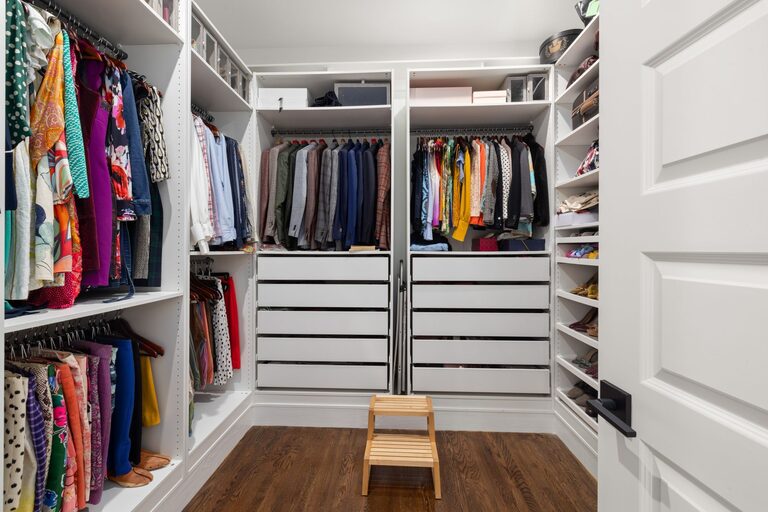
A tidy closet can make busy mornings easier, protect your clothing, and help you use the space you already have more effectively. The key is not simply arranging everything once. A closet stays organized when it has a clear system that fits your habits and is easy to maintain.
Whether you have a large walk-in closet or a small reach-in space, these practical tips can help you create an orderly closet that lasts.
Start With a Full Closet Reset
Before buying storage containers or rearranging shelves, take everything out of the closet. Working with an empty space gives you a clear view of what you own and how much room you actually have.
As you remove each item, place it in one of four groups:
– Keep
– Donate
– Repair or alter
– Recycle or discard
Try not to make decisions based only on whether something is attractive. Consider how often you wear it, whether it fits comfortably, and whether it works with your current lifestyle. If an item has not been worn in a long time and does not serve a specific purpose, it may be taking up useful space.
Keep a separate bag or box for donations while you sort. This makes the process easier and prevents unwanted items from returning to the closet.
Group Similar Items Together
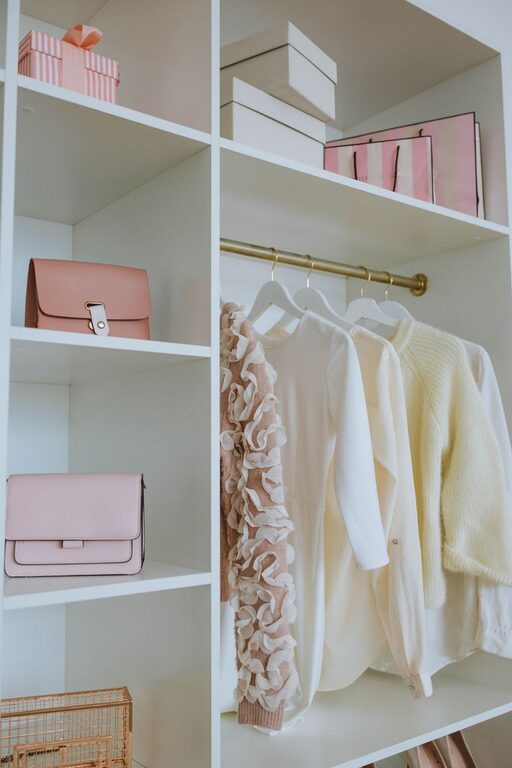
Once you have decided what to keep, organize clothing by type. For example, place shirts together, followed by sweaters, pants, skirts, dresses, and jackets. Keeping similar items in one area makes it easier to find what you need and notice duplicates.
You can also organize each category by color. A simple color arrangement, such as light to dark, can make the closet look more orderly and help you put items away consistently.
Another option is to group clothes by purpose:
– Work clothing
– Casual outfits
– Exercise wear
– Special occasion pieces
– Seasonal items
Choose the system that matches the way you get dressed. If you usually choose clothing by activity, organize by purpose. If you prefer to build outfits around color or clothing type, use that method instead.
Make the Most of Vertical Space
Many closets have unused space above the clothing rod or below hanging garments. Use these areas to increase storage without adding bulky furniture.
Consider adding:
– A second hanging rod for shorter clothing
– Shelf risers for folded items
– Hanging organizers for accessories
– Hooks for belts, scarves, or bags
– Bins for seasonal clothing
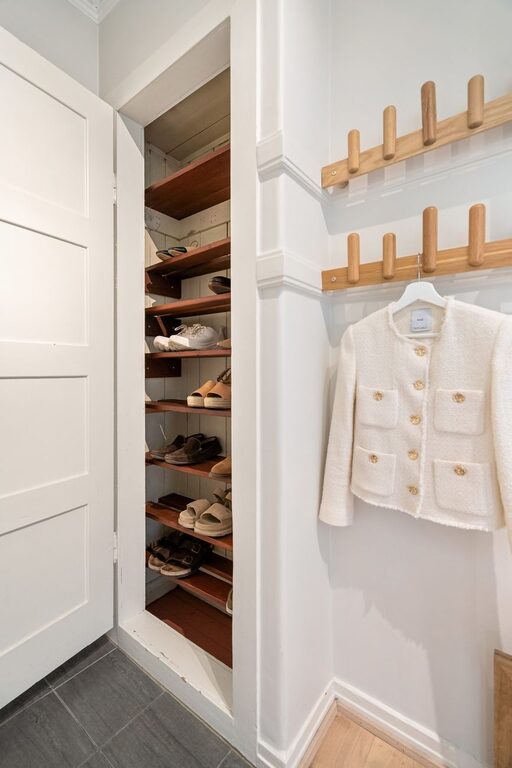
– Shoe racks for the floor or door
Place frequently used items between shoulder and waist height. Store less-used pieces higher up or toward the back. A small step stool can make upper shelves easier to reach, but avoid storing anything heavy where it could be difficult to remove safely.
Vertical storage works best when items remain visible. Clear containers or open baskets can help you remember what is stored in each area.
Choose Storage Products Carefully
Storage products can be helpful, but they should support your system rather than create more clutter. Measure your shelves, floor, and hanging space before buying anything. This prevents containers from being too large, too small, or difficult to use.
Use matching hangers when possible. Slim hangers can create more hanging room, while sturdy wooden or padded hangers may be better for heavier clothing. Avoid overfilling the rod, since tightly packed clothing is harder to see and may become wrinkled.
For folded clothing, choose containers that fit the shelf and are easy to remove. Open bins work well for everyday items, while lidded containers can protect clothing that is only used occasionally.
Labels are useful for storage areas that are not immediately visible. Keep labels simple, such as “winter clothing,” “bags,” or “extra linens.”
Fold Clothing Based on How You Use It
There is no single correct way to fold clothing. The best method is the one that keeps items visible and easy to remove.
For drawers and bins, try folding clothing vertically so each item stands upright. This allows you to see the full collection instead of placing one stack on top of another. It can be especially useful for shirts, workout clothing, pajamas, and smaller garments.
For shelves, use short, stable stacks. Avoid making piles so tall that removing one item causes the rest to fall over. If a category needs several stacks, consider dividing them with shelf supports or small baskets.
Hang items that wrinkle easily, such as dresses, blouses, jackets, and trousers. Fold thicker sweaters instead of hanging them for long periods, as hangers may stretch the shoulders.
Organize Shoes and Accessories
Shoes and accessories often create visual clutter because they come in different shapes and sizes. Give each type a specific home.
Keep frequently worn shoes near the front of the closet or on a low rack. Store special occasion shoes higher up or in labeled boxes. If you use boxes, consider adding a photo or label to the outside so you can identify the contents without opening each one.
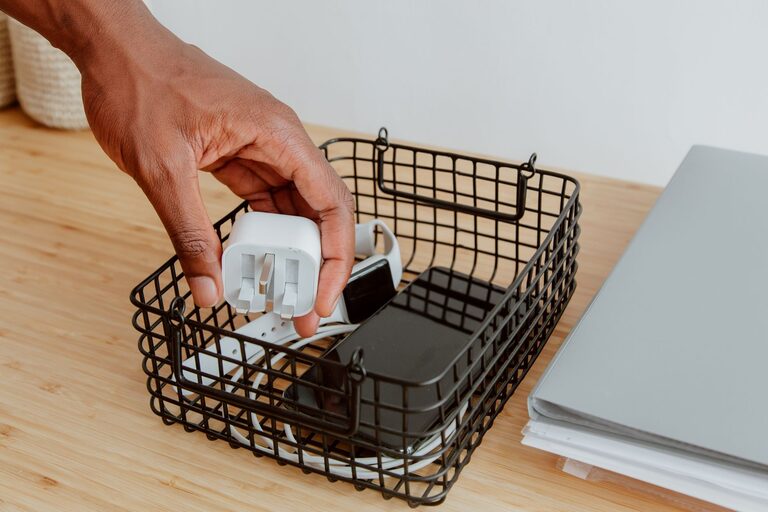
For accessories, use hooks, trays, or small compartments. Place everyday items where they are easy to reach, and store less-used pieces in labeled containers. Keep pairs together whenever possible, especially belts, gloves, and matching accessories.
Bags can be stored upright on shelves, hung from hooks, or placed inside one another. Avoid stacking them too deeply, since hidden bags are easy to forget.
Create a Seasonal Rotation
If your closet is short on space, rotate clothing by season. At the end of each season, remove items that are unlikely to be used for several months. Wash or clean them according to their care instructions before storing them.
Use breathable containers for clothing that needs protection. Avoid placing damp or unclean garments into storage, as this can lead to unpleasant odors or fabric damage.
When rotating items, review what you did not wear. If a seasonal piece went unused and does not have a clear purpose, consider donating it before putting it away again.
Leave Some Breathing Room
A closet is easier to maintain when it is not packed to capacity. Leave a little space between hanging items and avoid filling every shelf completely. This makes it easier to see your options, remove clothing without disturbing nearby items, and put things away properly.
A useful rule is to keep only what fits comfortably within the space. If a new item comes in, consider whether something else should leave. This approach helps prevent gradual overcrowding.
Build Simple Maintenance Habits
Small habits make a larger organizing project last. After choosing an outfit, return anything you did not wear to its proper place. Hang clothing that can be worn again, and place laundry in the hamper instead of on the floor or a chair.
Set aside a few minutes each week to:
– Return misplaced items
– Fold loose clothing
– Match shoes and accessories
– Remove empty hangers
– Check for clothing that needs repair
– Clear items from the closet floor
Every few months, do a quick review. Your storage needs may change as your schedule, preferences, or wardrobe changes. Adjusting the system is part of staying organized.
Make the System Easy to Follow
The most organized closet is not necessarily the one that looks perfect. It is the one that makes everyday tasks simple. Store items where you naturally look for them, keep frequently used pieces accessible, and avoid complicated arrangements that require extra effort.
When every item has a clear home, tidying becomes a quick routine instead of a major project. With thoughtful storage, regular reviews, and a system that suits your lifestyle, your closet can stay tidy and useful all year long.