
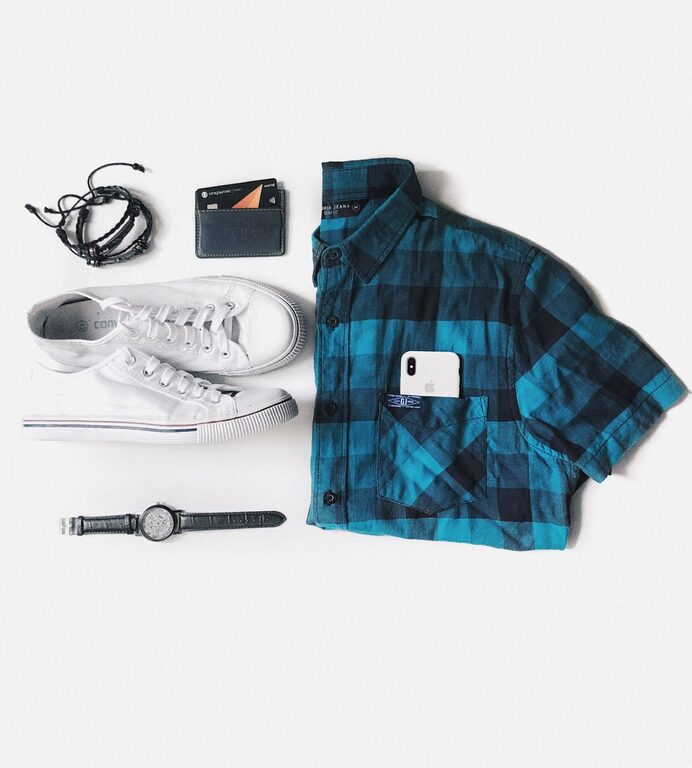
Building a capsule wardrobe is a simple way to make getting dressed easier. Instead of filling your closet with items you rarely wear, you create a smaller collection of versatile clothing that works well together.
A basic capsule wardrobe does not need to follow strict rules. It should fit your lifestyle, personal taste, climate, and daily activities. The goal is to own useful pieces that you enjoy wearing and can combine in several ways.
What Is a Capsule Wardrobe?
A capsule wardrobe is a carefully selected collection of clothing, shoes, and accessories. Most pieces can be mixed and matched to create a variety of outfits.
Some people use a set number of items, while others focus on having a wardrobe with fewer unnecessary pieces. There is no perfect number. A capsule wardrobe may include 20 items for one person and 40 or more for another.
A basic capsule wardrobe usually includes:
- Everyday tops
- Versatile pants or skirts
- A dress or two, if you wear them
- Layers such as sweaters, cardigans, or jackets
- Comfortable shoes for common activities
- A few accessories
The key is usefulness. Each item should suit your routine and work with several other pieces.
Start by Reviewing Your Lifestyle
Before buying anything, think about how you spend most of your time. Your wardrobe should support your real life, not an imagined version of it.
Consider your usual activities:
- Working in an office or from home
- Running errands
- Going to school
- Exercising
- Attending casual social events
- Traveling
- Spending time outdoors
If you work from home most days, you may need more comfortable clothing than formal workwear. If your job requires business clothing, your capsule wardrobe may include tailored pieces. Someone who travels often may prefer lightweight items that can be worn in different combinations.
Write down the types of outfits you need during a typical week. This makes it easier to avoid buying clothing that does not match your daily routine.
Choose a Simple Color Palette
A clear color palette makes mixing and matching much easier. Start with two or three neutral colors, such as:
- Black
- White
- Navy
- Gray
- Brown
- Beige
Then add one or two accent colors that you enjoy wearing. Accent colors might include green, blue, red, yellow, or burgundy.
You do not need to avoid color. The purpose of a palette is to help your clothes work together. For example, navy pants may pair well with white, gray, light blue, and striped tops. Brown shoes may coordinate with beige, olive, cream, and denim.
Patterns can also be part of a capsule wardrobe. Choose patterns that include colors already found in your collection. A striped shirt or subtle print can add interest without making outfits difficult to coordinate.
Build Around Essential Pieces
Start with practical basics that can be worn in several ways. The exact items will depend on your preferences, but the following categories are useful for many wardrobes.
Tops
Choose a mix of short-sleeve and long-sleeve tops. Simple T-shirts, button-down shirts, blouses, and casual knit tops can form the foundation of many outfits.
Consider selecting:
- Two or three neutral T-shirts
- One or two polished tops
- A button-down shirt or blouse
- One patterned or colorful top
Bottoms
Look for bottoms that fit comfortably and suit your lifestyle. A basic collection might include jeans, casual pants, and one more polished option.
For example:
- One pair of everyday jeans
- One pair of dark or neutral pants
- One comfortable casual bottom
- A skirt or additional pair of pants, if useful
You do not need every type of bottom. Choose the styles you already reach for most often.
Layers
Layers add flexibility and help you adjust to changing temperatures. Consider a cardigan, sweater, denim jacket, blazer, lightweight jacket, or coat.
Choose layers that work with several tops and bottoms. A neutral jacket is often especially useful because it can make a casual outfit look more finished.
Dresses and One Piece Items
If you enjoy wearing dresses or jumpsuits, include one or two versatile options. A simple dress can work for everyday activities, work, or a casual event when paired with different shoes and layers.
If you rarely wear these items, there is no need to add them simply because they are considered wardrobe basics.
Shoes
Choose shoes based on comfort and your usual activities. A basic collection might include:
- Everyday sneakers
- Comfortable walking shoes or flats
- Boots or weather-appropriate shoes
- One dressier pair, if needed
Shoes can change the overall feel of an outfit, so select styles that coordinate with most of your clothing.
Use the Three Outfit Test
Before purchasing an item, see whether you can create at least three outfits with clothing you already own. This quick test helps prevent impulse purchases.
For example, a new shirt should ideally work with several bottoms and at least one layer. A jacket should coordinate with multiple tops and shoes.
Ask yourself:
- Can I wear this item for more than one type of occasion?
- Does it match the colors in my wardrobe?
- Is it comfortable enough for regular use?
- Can I care for it easily?
- Will I still want to wear it next season?
If the answer is no to most of these questions, the item may not be a useful addition.
Declutter Carefully
Once you understand what you need, review your current wardrobe. Take everything out or work through one category at a time.
Create four groups:
- Keep: Items you wear and enjoy
- Repair: Items that need simple fixes
- Store: Seasonal pieces you will use later
- Remove: Items that no longer fit your life
Avoid rushing. If you are unsure about an item, place it in a separate box for a month or two. If you do not miss it, you may be ready to let it go.
Donate clean, usable clothing through a suitable local organization, or consider selling items that are in good condition. Clothing that is damaged or heavily worn may need a different disposal option.
Plan for Seasonal Changes
You do not need every piece of clothing in your closet all year. Store heavy coats, warm sweaters, or summer items when they are not needed.
A seasonal rotation can make your closet easier to use. Before storing items, clean them and check for repairs. Keep a few pieces available for unexpected changes in weather.
You may also keep a small group of year-round basics, such as jeans, T-shirts, sneakers, and lightweight layers.
Maintain Your Capsule Wardrobe
A capsule wardrobe is not a one-time project. Review it occasionally as your lifestyle, preferences, and clothing needs change.
Use simple maintenance habits:
- Replace worn essentials instead of buying duplicates
- Follow care instructions to extend the life of clothing
- Keep a list of items you genuinely need
- Wait before buying trend-based pieces
- Make small seasonal updates rather than full wardrobe changes
The best capsule wardrobe is one that feels practical and personal. Start with the clothes you already wear, identify the gaps, and add items slowly. With a thoughtful color palette and versatile basics, you can create more outfits while making your daily routine simpler.