
Changing seasons is a good opportunity to refresh your wardrobe and make better use of your storage space. However, simply folding clothes and placing them in a box can lead to wrinkles, odors, moisture damage, and clutter.
With a simple system, you can store seasonal clothing safely while keeping everyday items easy to find. The key steps are sorting, cleaning, choosing suitable containers, labeling everything, and storing clothes in a cool, dry location.
Start With a Seasonal Clothing Sort
Before packing anything away, review the clothes you no longer expect to wear for the next few months. This prevents you from storing items that are damaged, outdated, or no longer useful.
Create four groups:
– Keep for next season
– Keep for regular use
– Donate or give away
– Repair or recycle
Be honest when deciding what to keep. If you have not worn something in several seasons, it may be taking up valuable space. Also set aside items that no longer fit, feel uncomfortable, or do not suit your current lifestyle.
This sorting step is easier when you work by category. Review coats, sweaters, shirts, trousers, dresses, shoes, and accessories separately. A category-based approach helps you notice duplicates and identify gaps in your wardrobe.
Clean Clothes Before Storing Them
Always clean seasonal clothing before putting it away, even if an item appears clean. Small traces of sweat, body oils, food, or perfume can become more noticeable after months in storage. They may also attract insects or create unpleasant odors.
Follow the care label on each garment. Wash or dry-clean items as recommended, then make sure they are completely dry before packing them. Even slightly damp clothing can develop mildew in a closed container.
Pay special attention to:
– Winter coats and scarves
– Sweaters and knitwear
– Formal clothing
– Swimwear
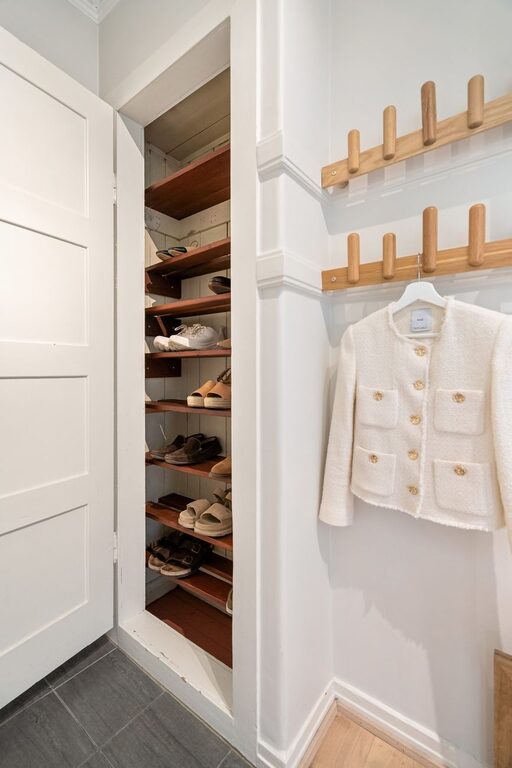
– Shoes and boots
– Blankets and heavy loungewear
Do not store clothes immediately after removing them from the dryer if they still feel warm or humid. Allow them to cool and air out fully first.
Repair and Prepare Garments
Seasonal storage is a convenient time to handle small repairs. Replace missing buttons, mend loose seams, remove stains, and repair broken zippers before packing clothes away. This means items will be ready to wear when the season returns.
Empty all pockets, especially in coats and trousers. Receipts, candy wrappers, pens, and other objects can stain garments or attract pests. Close zippers and fasteners where practical to help clothing keep its shape.
For leather shoes, handbags, and belts, clean and condition the material according to the manufacturer’s instructions. Allow leather items to dry naturally before storing them.
Choose the Right Storage Containers
The best container depends on the type of clothing, the amount of space available, and the storage location.
Fabric Storage Bags
Breathable fabric bags work well for sweaters, coats, and other items that benefit from airflow. They protect clothing from dust while reducing the risk of trapped moisture.
Look for sturdy bags with secure closures and clear panels or label holders. Avoid overfilling them, since tightly packed clothing can become wrinkled and difficult to remove.
Plastic Storage Bins
Plastic bins are useful for folded clothes, accessories, and items stored in basements, garages, or other areas where dust may be a concern. Choose strong containers with tight-fitting lids.
Clear bins make it easier to identify the contents without opening every box. However, place them away from direct sunlight, which can fade fabric and make some materials brittle over time.
Vacuum Storage Bags
Vacuum bags can reduce the volume of bulky items such as comforters, puffer jackets, and thick blankets. They are useful when storage space is limited.
Use them carefully, since long-term compression may flatten certain garments or damage delicate materials. Avoid using vacuum bags for structured clothing, leather, fur, or items that need to retain their shape.
Garment Bags
Garment bags are suitable for dresses, suits, formalwear, and other pieces that should remain hanging. Choose breathable fabric rather than completely airtight plastic for long-term storage.
Do not pack too many garments onto one hanger. Crowding can cause deep wrinkles and limit airflow.
Fold Clothes the Right Way
Different fabrics need different folding methods. Heavy sweaters are usually best folded rather than hung, because hangers can stretch the shoulders and create bumps.
Place heavier items at the bottom of a container and lighter pieces on top. Fold garments along their natural seams and avoid sharp, repeated creases in the same place.
For delicate items, place a sheet of clean tissue paper between layers. This can reduce friction and help protect textured or embellished fabrics. Avoid using newspaper because ink can transfer onto clothing.
Roll soft, casual garments such as T-shirts or lightweight pajamas if this saves space. Rolling can also make it easier to see each item in a drawer or bin, although it is not ideal for structured clothing.
Protect Shoes and Accessories
Shoes should be cleaned and dried before storage. Remove dirt from soles and allow footwear to air out. Stuff boots and shoes with acid-free tissue paper, clean socks, or boot shapers to help them keep their form.
Store shoes in individual bags or boxes when possible. Avoid placing heavy items on top of them, as this can cause permanent creases.
Keep accessories organized in smaller pouches or divided containers. Group items such as scarves, gloves, belts, hats, and swim accessories together. Small containers inside a larger bin can prevent accessories from becoming tangled or lost.
Add Labels and Create an Inventory
Labels save time when you need to find something later. Write a simple description on each container, such as “Winter Sweaters” or “Summer Beachwear.” Include the size or household member if several people share the storage area.
For larger collections, create a basic inventory on your phone or computer. List the main contents of each box and note its location. You can also take a photo of the open container before closing it.
Avoid using vague labels such as “Clothes” or “Miscellaneous.” Specific labels make seasonal changes faster and reduce unnecessary searching.
Select a Suitable Storage Location
Store clothing in a cool, dry, and stable environment. Avoid areas with large temperature changes, excess humidity, or direct sunlight.
Good storage locations may include:
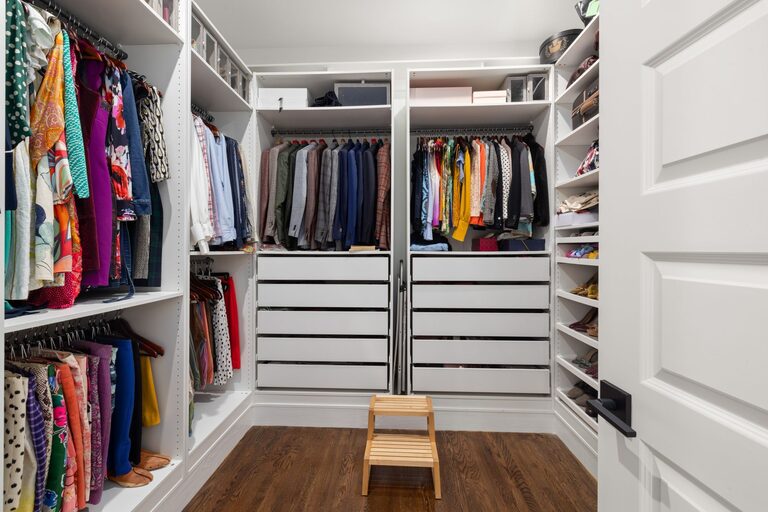
– The top shelf of a bedroom closet
– An under-bed storage drawer
– A dry interior closet
– A clean wardrobe cabinet
Be cautious with attics, garages, and basements. These spaces may become very hot, cold, or damp. If you must use one, keep containers off the floor and away from exterior walls. A sturdy shelf can improve airflow and reduce the risk of water damage.
Do not store clothing near cleaning chemicals, paint, strong fragrances, or food. These products can transfer odors or damage fabric.
Review Stored Clothes Regularly
Seasonal clothing does not need constant attention, but checking it once or twice a year can prevent problems. Look for signs of moisture, insects, unusual odors, or damaged containers.
When the next season arrives, unpack clothes gradually. Air them out, check for stains or damage, and wash items if needed before wearing them. This is also a good time to repeat the sorting process and remove anything you no longer use.
An efficient clothing storage system should make your home easier to manage, not create more work. By storing only clean, useful items in suitable containers and labeling them clearly, you can protect your wardrobe and make every seasonal change simpler.