
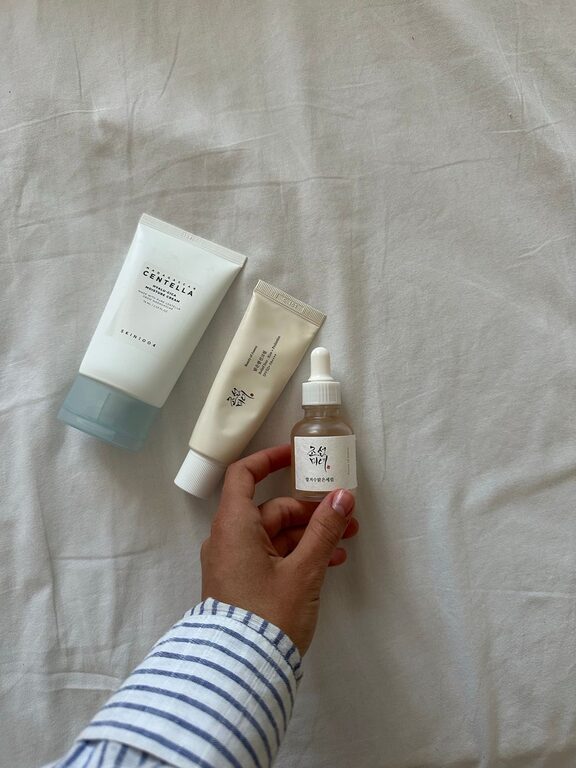
A basic skincare routine does not need to be complicated or expensive. With a few well-chosen products and a consistent schedule, you can support clean, comfortable, healthy-looking skin. The key is to focus on simple steps, learn how your skin responds, and make changes gradually.
Start With the Basics
Most beginner routines need only three essential products:
- **Cleanser** to remove dirt, oil, sweat, and makeup
- **Moisturizer** to help keep skin comfortable and hydrated
- **Sunscreen** to protect skin from daily sun exposure
You can add other products later if you have a specific goal, such as improving the look of uneven texture or reducing excess oil. Starting with fewer products makes it easier to understand what works for you.
Step 1: Identify Your Skin Type
Knowing your general skin type can help you choose products more comfortably. Skin types are often described as:
– Normal: Usually balanced, without excessive dryness or oiliness
– Dry: Often feels tight, rough, or flaky
– Oily: May look shiny or feel greasy, especially during the day
– Combination: Oily in some areas and dry or balanced in others
– Sensitive: More likely to sting, burn, itch, or become red after using certain products
Your skin can change with the weather, age, stress, and daily habits. You do not need to label it perfectly. Instead, notice how your skin feels after cleansing and throughout the day.
If your skin feels tight after washing, you may prefer a gentle, creamy cleanser and a richer moisturizer. If it becomes shiny quickly, a lightweight, non-greasy moisturizer may feel more comfortable.
Step 2: Choose a Gentle Cleanser
Cleansing removes buildup from the skin’s surface. Use a gentle cleanser that does not leave your skin feeling painfully tight or overly dry.
Look for products labeled:
– Gentle
– Fragrance free
– For sensitive skin
– Non comedogenic, if you are concerned about clogged pores
In the morning, a light cleanse may be enough. At night, cleansing is especially useful for removing sunscreen, makeup, sweat, and the day’s buildup.
How to Cleanse Properly
Use lukewarm water rather than very hot water, which can leave skin feeling dry. Apply cleanser with clean fingertips and massage gently for about 20 to 30 seconds. Rinse well and pat your face dry with a clean towel.
Avoid scrubbing hard or using rough cloths every day. These habits can make skin feel irritated without providing extra benefits.
Step 3: Apply Moisturizer
Moisturizer helps support the skin barrier, which is the outer layer that helps keep moisture in and irritants out. Every skin type can benefit from moisturizing, including oily skin.
Choose a formula based on how your skin feels:
– Light lotion or gel: Often comfortable for oily or combination skin
– Cream: A good option for normal or dry skin
– Rich balm: Useful for very dry areas, especially in cold weather
Apply moisturizer after cleansing while your skin is slightly damp. This can help reduce water loss and leave skin feeling softer.
If a product feels heavy, sticky, or uncomfortable, try using less or switch to a lighter formula. A routine is easier to maintain when the products feel pleasant to use.
Step 4: Make Sunscreen a Morning Habit
Sunscreen is one of the most important daytime skincare steps. It helps protect skin from ultraviolet exposure, which can contribute to visible signs of aging and uneven-looking skin tone.
Choose a broad-spectrum sunscreen with an SPF of 30 or higher. Apply it as the final step of your morning routine, after moisturizer. Use enough to cover your face, neck, and other exposed areas.
Reapply when spending extended time outdoors, swimming, sweating, or drying off with a towel. Hats, sunglasses, shade, and protective clothing can also provide helpful coverage.
If sunscreen causes discomfort, try a different texture or formula. Mineral and chemical sunscreens can feel very different, so finding a comfortable option may take some experimentation.
A Simple Morning Routine
A basic morning routine can look like this:
- Cleanse or rinse with water
- Apply moisturizer
- Apply sunscreen
Allow each product a moment to settle before applying the next one. You do not need to wait a long time between steps, but applying products gently can help prevent pilling or uneven coverage.
A Simple Evening Routine
An evening routine can be just as simple:
- Remove makeup or sunscreen if needed
- Cleanse your skin
- Apply moisturizer
This is a good starting point for the first few weeks. Once your skin is comfortable with these steps, you can decide whether an additional product is necessary.
Add New Products Slowly
It is tempting to try several products at once, especially when starting a new routine. However, adding everything together can make it difficult to identify the cause of irritation or discomfort.
Introduce one new product at a time and use it consistently for several days before adding another. Read the product directions and avoid using more than recommended.
Before applying a new product to your face, consider a small patch test on an inconspicuous area. Stop using a product if it causes significant burning, swelling, or a rash. For ongoing or severe skin concerns, a qualified skin professional can provide personalized guidance.
Common Beginner Mistakes
A few simple habits can make your routine more effective:
– Using too many products: More steps do not always mean better results.
– Overwashing: Cleansing too often may leave skin dry and uncomfortable.
– Skipping moisturizer: Even oily skin may need lightweight hydration.
– Forgetting sunscreen: Daily exposure can happen during short errands or commutes.
– Changing products too quickly: Give your routine time to become consistent.
– Using harsh scrubs: Gentle cleansing is usually enough for daily care.
– Ignoring expiration dates: Replace products according to their labels and storage instructions.
Keep Your Routine Consistent
Skincare results usually come from regular habits rather than occasional intensive treatments. Keep your routine visible, such as near your bathroom sink, and make it part of your morning and evening schedule.
You may also want to take note of how your skin feels after a few weeks. Is it comfortable after cleansing? Does your moisturizer feel suitable? Is your sunscreen easy to apply? These observations can help you make thoughtful adjustments.
A basic routine should be easy to follow, gentle on your skin, and realistic for your lifestyle. Start with cleanser, moisturizer, and sunscreen, then build from there only if you have a clear reason to do so.