
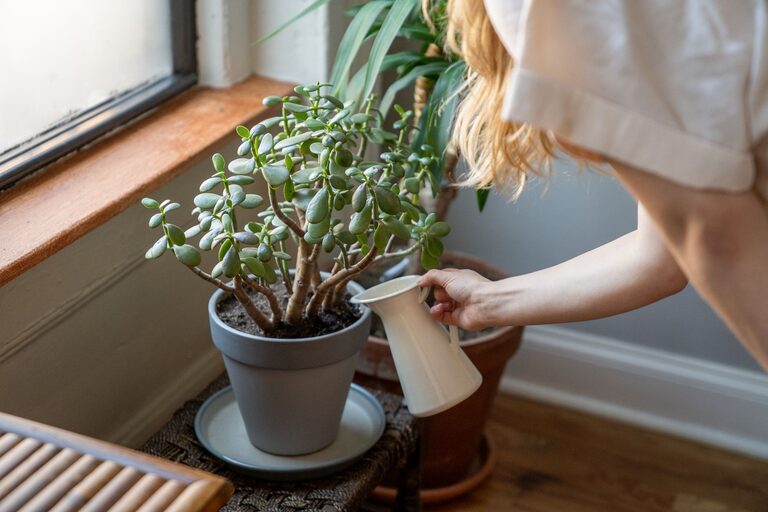
Houseplants can bring color, texture, and life to any room. They can also be surprisingly easy to care for when their basic needs are understood. The key is not constant attention, but creating the right conditions and paying attention to small changes.
Whether you are caring for a single plant or building an indoor garden, these simple tips can help your houseplants stay healthy and grow well.
Choose the Right Plant for Your Home
Before buying a plant, consider the conditions in your home. Different plants prefer different amounts of light, moisture, and space.
Think about:
– How much natural light the room receives
– Whether the light is direct or indirect
– The temperature and airflow
– The amount of space available
– How much time you have for plant care
If your home has low light, choose plants that can tolerate it, such as snake plants, pothos, or cast iron plants. For bright rooms, consider plants such as aloe vera, jade plants, or many varieties of succulents.
Choosing a plant that matches your space is one of the easiest ways to prevent problems later.
Provide the Right Amount of Light
Light is one of the most important factors in plant health. Without enough light, plants may grow slowly, develop pale leaves, or become thin and stretched. Too much direct sunlight can cause scorched or brown patches on leaves.
Observe the light in each room throughout the day. A bright window may receive direct sunlight for several hours, while a nearby shelf may offer bright but indirect light.
As a general guide:
– Low light means the area is shaded but still receives some natural light.
– Medium light is bright enough to read comfortably without direct sun.
– Bright indirect light is close to a sunny window but protected from strong rays.
– Direct light means sunlight falls directly on the leaves for part of the day.
Turn potted plants every week or two so all sides receive light evenly. If a plant leans strongly toward a window, it may need more balanced exposure.
Water Carefully
Overwatering is one of the most common causes of houseplant problems. Many plants do not need water on a fixed daily or weekly schedule. Their needs change depending on the season, pot size, soil, temperature, and amount of light.
Before watering, check the soil with your finger. If the top inch or two feels dry, the plant may need water. Plants that prefer dry conditions should be allowed to dry out more between waterings, while moisture-loving plants may need water more often.
When watering, soak the soil thoroughly until water flows from the drainage holes. Then empty any water that collects in the saucer. This helps moisten the entire root area while reducing the risk of standing water.
Signs of watering problems can include:
– Yellow leaves and soft stems from too much water
– Dry, crispy leaf edges from too little water
– Wilting caused by either overly dry or overly wet soil
– Mold or a sour smell from consistently wet soil
Always check the soil before adding more water.
Use Pots With Drainage Holes
Good drainage helps protect plant roots. When excess water cannot escape, the soil may remain wet for too long, which can damage the roots.
Choose a pot with at least one drainage hole. If you prefer to use a decorative container without a hole, keep the plant in a smaller nursery pot inside it. Remove the inner pot for watering, allow it to drain fully, and then return it to the outer container.
The pot should be large enough to support the plant but not excessively large. A container that is much bigger than the root ball can hold extra moisture and make overwatering more likely.
Use Suitable Potting Soil
Regular garden soil is often too dense for indoor containers. It can hold too much water and may not provide enough air around the roots. Instead, use a quality potting mix designed for indoor plants.
Different plants may benefit from different mixes:
– Succulents and cacti prefer fast-draining soil.
– Tropical foliage plants often do well in a light, airy mix.
– Orchids usually need a special bark-based growing medium.
– Seedlings require a fine, lightweight mix.
If water runs straight through the pot or the soil becomes hard and compacted, it may be time to refresh the potting mix.
Maintain Comfortable Humidity
Many popular houseplants come from naturally humid environments. Dry indoor air, especially during winter, can cause brown leaf tips and edges.
You can increase humidity by:
– Grouping plants together
– Placing a humidifier nearby
– Setting plants on a pebble tray with water below the pot
– Keeping plants away from heating vents and drafts
Do not allow the pot to sit directly in water, as constantly wet soil can harm the roots. Also, avoid misting as the only humidity solution. It may provide temporary moisture but usually does not raise humidity for long.
Feed Plants During Active Growth
Plants need nutrients to produce healthy leaves and new growth. Many potting mixes contain some nutrients, but these are eventually used up.
Use a balanced houseplant fertilizer during the growing season, following the instructions on the label. Applying too much fertilizer can damage roots and cause leaf discoloration, so more is not better.
Reduce or stop feeding during periods of slow growth, such as winter for many indoor plants. Water the plant normally before applying fertilizer if the soil is very dry.
Clean and Inspect the Leaves
Dust can collect on leaves and reduce the amount of light they absorb. It can also make it harder to notice pests or other problems.
Wipe broad leaves gently with a soft, damp cloth. For smaller or delicate leaves, a gentle rinse may be more practical. Avoid harsh cleaning products, oils, or leaf-shine sprays, which can damage the plant.
While cleaning, inspect both sides of the leaves and the stems. Look for small insects, sticky residue, webbing, spots, or sudden changes in color. Early detection makes plant problems easier to manage.
Prune Damaged Growth
Remove dead, yellow, or badly damaged leaves with clean scissors. This improves the plant’s appearance and allows it to focus energy on healthy growth.
You can also trim long, weak stems to encourage a fuller shape. Make cuts just above a leaf node, where a new stem or leaf may develop. Avoid removing too much at once; light, regular pruning is usually better than a major trim.
Repot When Necessary
Houseplants do not need repotting every year automatically. Repot when the plant has outgrown its container or when the soil no longer drains well.
Signs that a plant may need a larger pot include:
– Roots growing from the drainage holes
– Roots circling tightly around the root ball
– Soil drying out unusually quickly
– Little new growth during the active season
– The plant becoming top-heavy
Choose a container only one size larger than the current pot. After repotting, water lightly and place the plant in suitable light while it adjusts.
Build a Simple Care Routine
A regular routine makes plant care easier. Once a week, inspect your plants, check the soil, rotate the pots, and remove damaged leaves. Every few weeks, clean dusty leaves and look closely for pests.
Keep notes about watering and seasonal changes, especially if you care for several plants. Over time, you will learn which plants dry out quickly, which prefer brighter light, and which need less frequent attention.
Healthy houseplants usually respond well to consistent care. By matching each plant to the right location, watering thoughtfully, and watching for changes, you can create a comfortable indoor growing environment all year long.